Nigeria's Broken Judicial System: Power, Privilege, and the Perils of the Poor
A hard look at inequality in the justice system and what it means for ordinary citizens.
Nigeria's judicial system is meant to uphold justice, protect the vulnerable, and create a level playing field. Yet, in practice, it has often done the opposite. In a nation of stark economic disparities, justice appears reserved for the privileged few, while the poor bear the brunt of a biased and often ruthless system. The elite seem to move freely, buffered by wealth and influence, while the poor are imprisoned, intimidated, and silenced.
The North is no stranger to these inequalities. Since the rise of Boko Haram, northern Nigeria has known only fleeting moments of peace. Villages remain under siege from banditry and kidnappings, and the people, many of whom rely solely on farming for sustenance, suffer profoundly. Thousands have been killed, millions displaced, and the judiciary—arguably the last line of defense—often stands by, hamstrung by bureaucratic and financial strings pulled by the powerful.
Democracy, which was meant to hold leaders accountable, has instead been used as a tool for manipulation. Sentiment and ethnic affiliations often eclipse sound judgment in elections, paving the way for ineffective leadership. This cycle of misplaced loyalty enables leaders who prioritize personal interests, further entrenching the struggles of the masses. In the 2023 elections, the North overwhelmingly voted for a "Muslim-Muslim" ticket, drawn by religious sentiment rather than scrutinizing candidates' records. Yet, as history has shown, religious affiliations offer no protection from economic hardship or political exploitation.
When the current government removed fuel subsidies, an already struggling populace fell into even deeper poverty. Inflation soared, unemployment rose, and many were left with no means to provide for their families. The outcry was nationwide, leading to protests in several states and the Federal Capital Territory (FCT). Young people, feeling the sting of these policies, took to the streets with a desperate message: "We are hungry." Tragically, the peaceful protests were met with a heavy-handed response from security forces, and those who had the courage to speak up were detained.
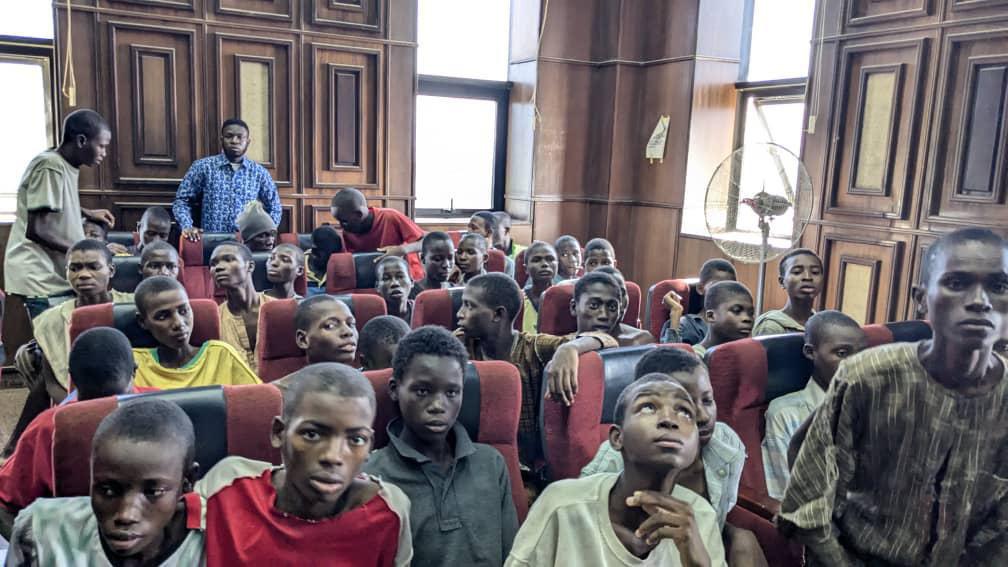
Months have passed since their arrest, and these teenagers remain in detention without charge. Recently, they appeared in court, visibly traumatized—some even fainted under the strain—and were charged with treason. Yet, the public's reaction has been mixed, and the judiciary remains unmoved. While a lawmaker who assaulted a delivery driver was given a paltry bail, these young protesters face impossible fines of 10 million Naira each, with other punitive requirements. For families that can barely afford daily meals, such penalties are life sentences.
In Nigeria, the justice system's blatant favoritism is becoming impossible to ignore. The disparity between the treatment of the poor and privileged is now so glaring that it can no longer be brushed aside. Real change will come only when the people rise above their divisions, see beyond the familiar political rhetoric, and demand leaders who will champion justice and equitable governance. Until Nigerians reclaim their power and hold leaders accountable, they will continue to face hardship, their voices muffled by a system that seems intent on maintaining the status quo.
Let's Tell Your Story
Ready to amplify your voice? Partner with a team that turns ideas into impact.